
GameHotel Guide
Is Balatro good for beginners? Poker roguelike gameplay and buying notes
A small indie roguelike that turns poker hands, deckbuilding, and score optimization into short, dangerously replayable runs.
Quick Verdict
| Platform | Steam / Nintendo Switch / PlayStation / Xbox / Mobile |
|---|---|
| Genre | Roguelike / Deckbuilding / Strategy |
| Price | Paid |
| Playtime | About 20-40 minutes per run |
| Difficulty | Medium |
| Best for | Players who enjoy card builds, score engines, and repeated challenge runs |
| Editor score | 9.1 / 10 |
Balatro screenshots and video
6 official media items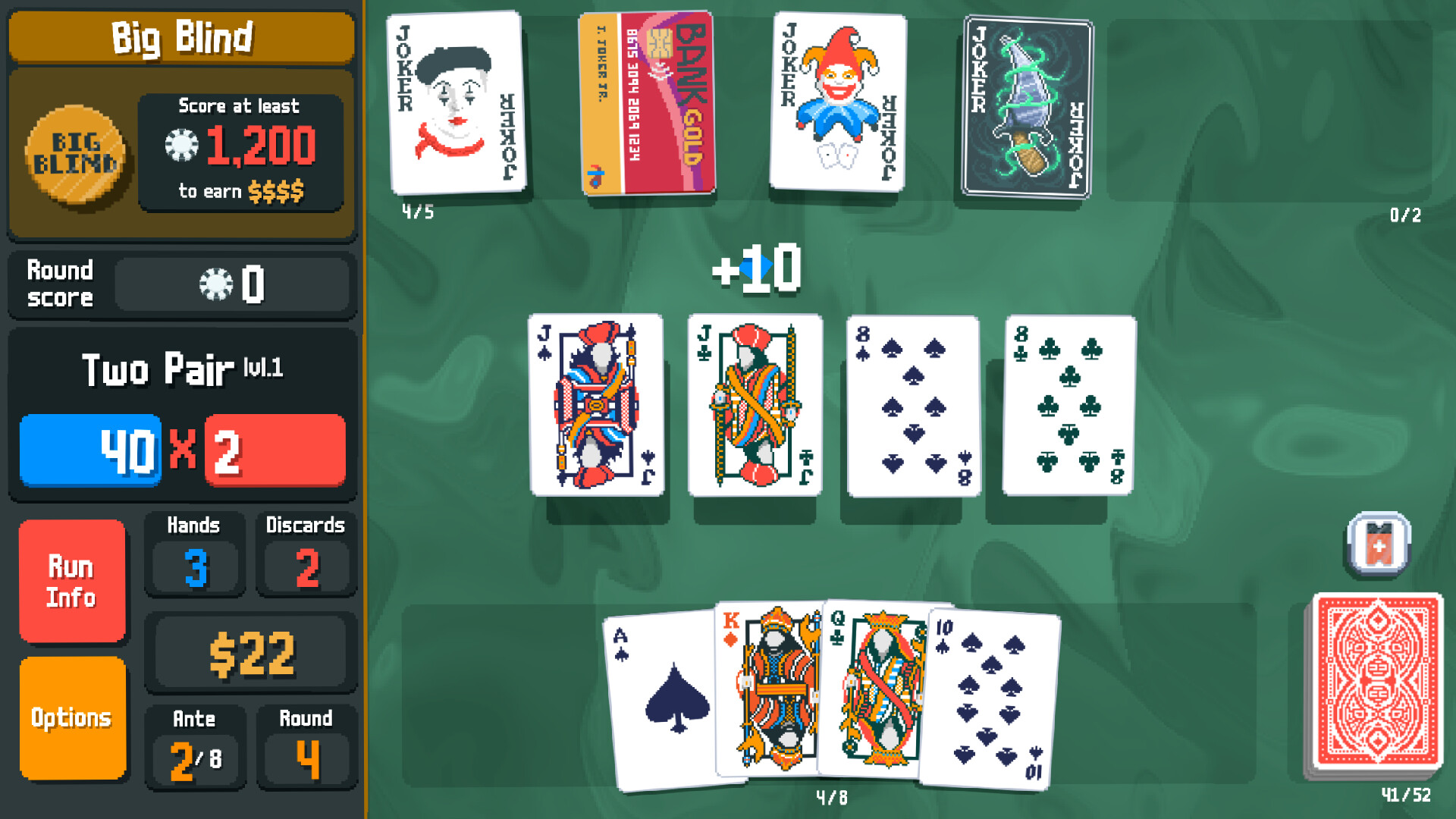
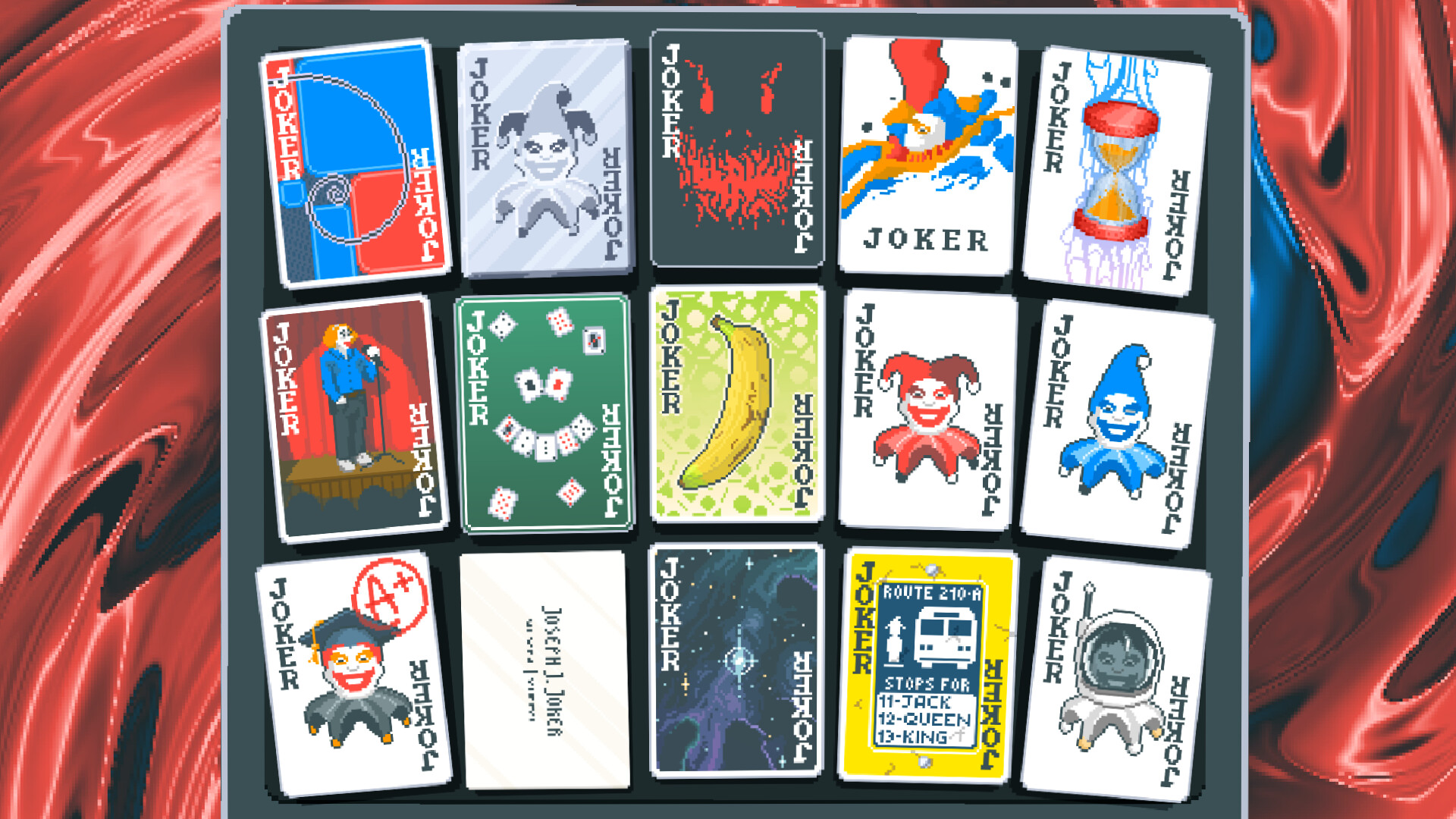
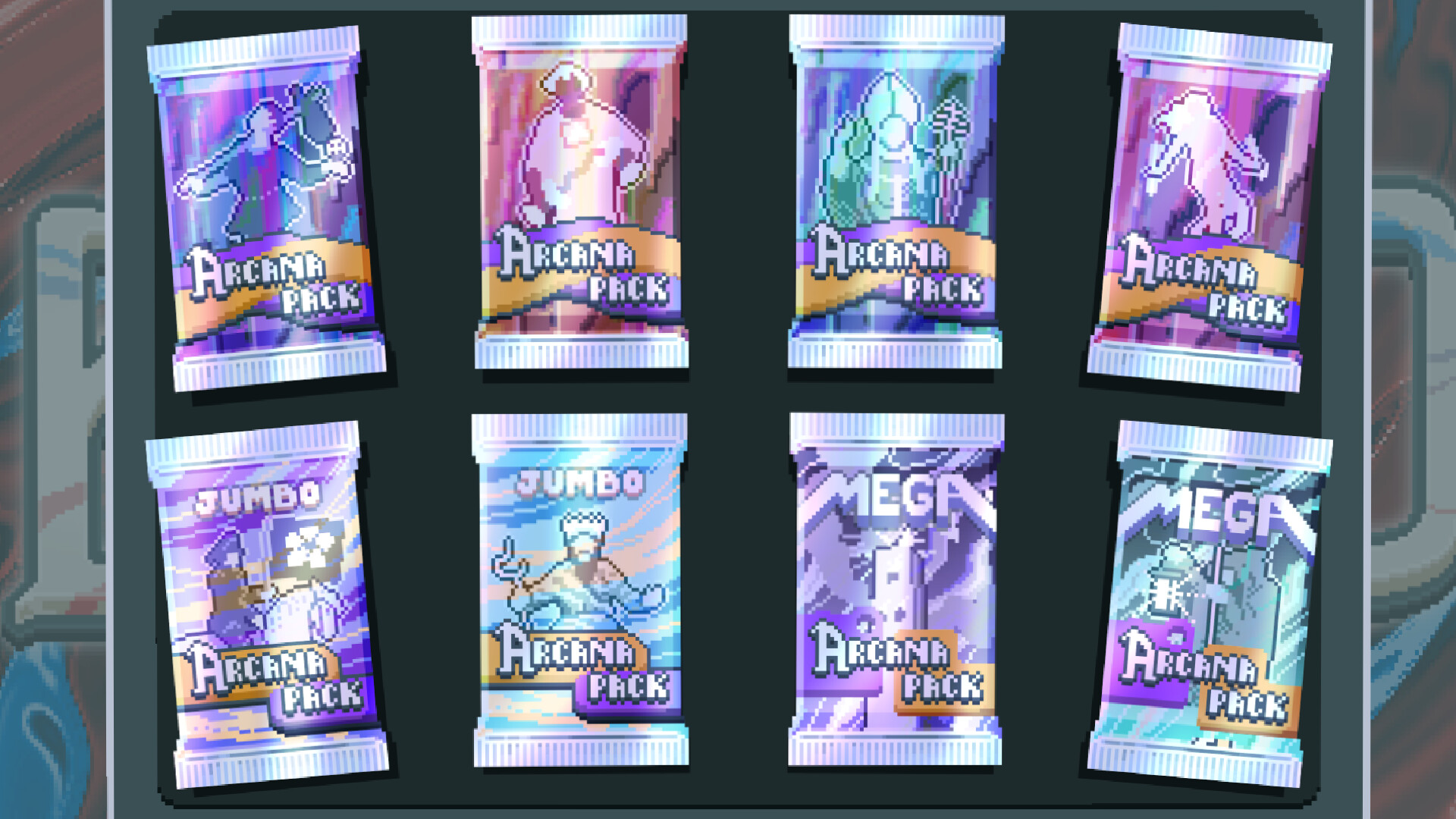
What It Is
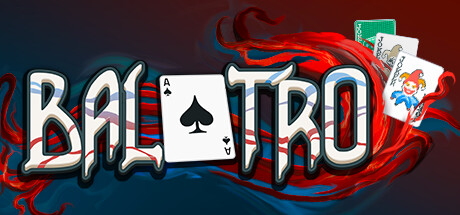
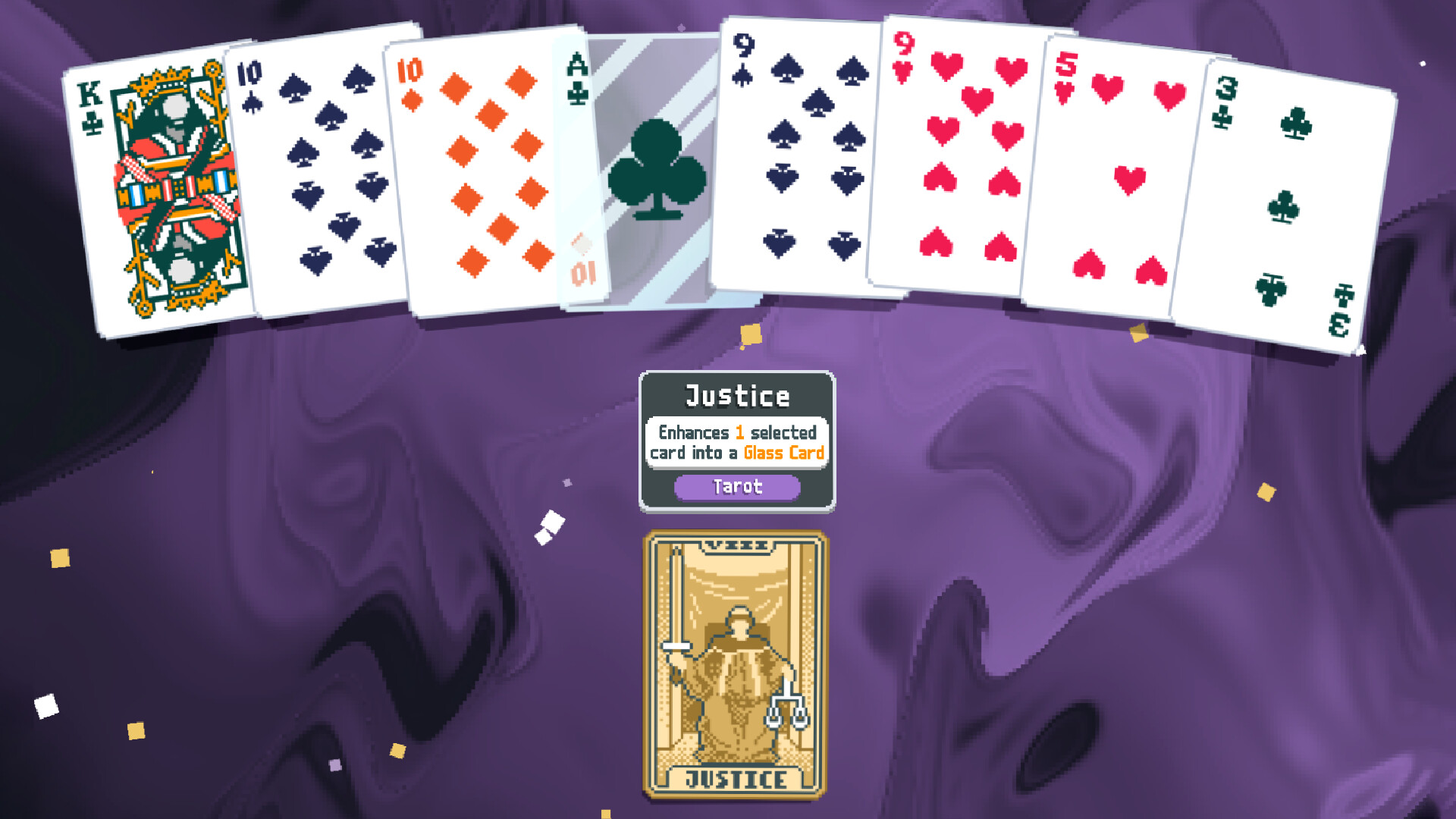
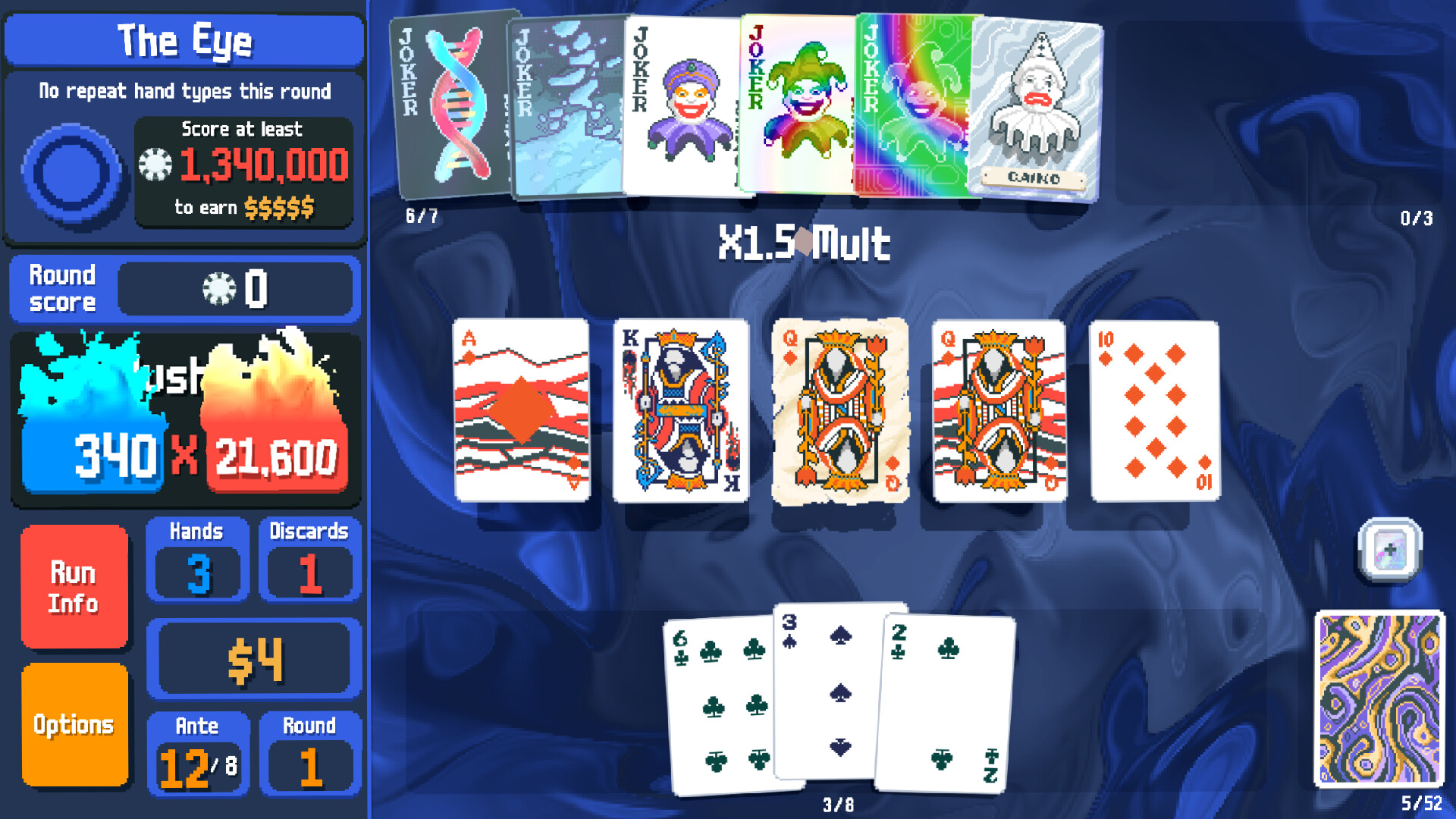
Balatro is a roguelike deckbuilder built around poker hands. You score chips by playing hands, then buy Jokers, vouchers, planet cards, and deck upgrades that turn an ordinary deck into a scoring machine.
Why We Recommend It
It fits GameHotel’s small-game focus almost perfectly: the rules are easy to enter, but the build space is deep enough to support guides, beginner notes, and similar-game recommendations.
Best For
- Players who like deckbuilding
- Players who enjoy short run-based loops
- Anyone looking for a low-spec indie game with a lot of replay value
Might Not Fit
- Players who dislike probability and score optimization
- Players mainly looking for story
- Anyone who has trouble stopping after “one more run”
Beginner Tip
Do not chase rare poker hands too early. Read the Jokers you are offered, then build around stable chip gain, multiplier growth, and repeatable triggers.
FAQ
Is Balatro a gambling game?
No. It uses poker hands as rules, but the game is a single-player deckbuilding roguelike.
What should beginners play first in Balatro?
Pairs, two pairs, and flushes are easy starting points. Adjust once your Jokers point toward a stronger plan.
Is Balatro good for short sessions?
Yes. Runs are short, though it is very easy to keep playing one more round.
Official & Affiliate
Official Access
Some pages may contain affiliate links. GameHotel prioritizes legitimate stores and aims to explain both the reason to care and the possible drawbacks.